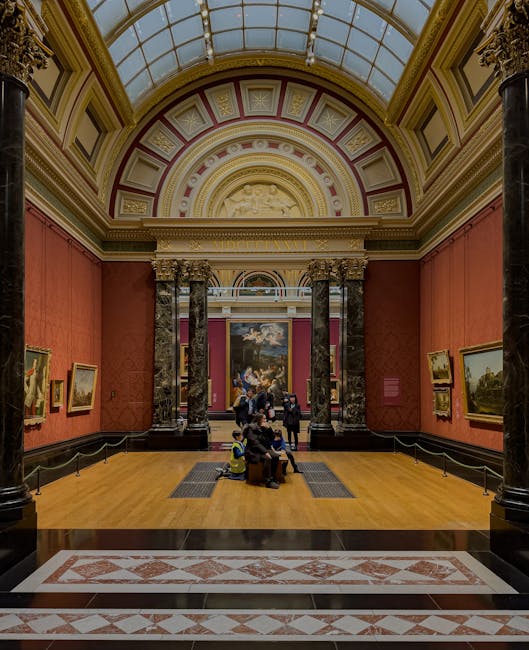
After Tate Britain Events: Quick Pimlico Venue Cleanup Tips for Faster Venue Turnarounds
If you've ever helped close down a venue after a lively Tate Britain event, you'll know the feeling: chairs half-moved, glassware needing a quick count, floors marked by foot traffic, and a general sense that the room has had a very full day. That's where After Tate Britain Events: Quick Pimlico Venue Cleanup Tips become genuinely useful. The aim is simple enough on paper, but a bit fiddly in real life: restore the space quickly, safely, and without missing the details that matter for the next booking.
In Pimlico, where venues, flats, offices, and private rooms often operate on tight schedules, an efficient cleanup is less about rushing and more about sequence. Do the right things first, skip the unnecessary faff, and the room is ready sooner. This guide walks you through the process in plain English, from rapid reset methods to compliance-aware best practice, with practical links to local services and resources if you need backup.
Why After Tate Britain Events: Quick Pimlico Venue Cleanup Tips Matters
Post-event cleaning is not just about making a room look nice again. It affects the next booking, staff workload, safety, and the venue's overall reputation. A polished space tells guests the venue is well run; a rushed or poorly managed reset can leave a lasting bad impression. In a busy part of London like Pimlico, where the next hire can be only hours away, that matters a lot.
Tate Britain events also tend to attract a mix of formal and social audiences, which means the cleanup can include anything from light refreshment spills to more demanding end-of-night resets. You might be dealing with delicate surfaces, carpeted areas, catering waste, or upholstery that has absorbed a bit of everything. If that sounds familiar, it's worth reading our guide to the best places for parties in Pimlico too, because many of the same venue-management habits apply.
There's another reason this topic matters: time pressure creates mistakes. People skip the small checks. They move too fast around wet floors. They forget to log damage. Truth be told, that's when a simple reset turns into a longer repair job. Good cleanup practice keeps the venue looking cared for, but it also protects the people working in it.
How After Tate Britain Events: Quick Pimlico Venue Cleanup Tips Works
The best post-event cleanup systems are built around zones, sequence, and responsibility. Instead of cleaning randomly, you work from the most urgent tasks to the least urgent ones. That usually means clearing hazards first, then collecting waste, then refreshing surfaces, and finally doing the deeper finishing touches that make the venue feel properly reset.
In a practical Pimlico setting, this often means assigning one person to waste and glassware, one to floors and spills, and one to restrooms or guest-facing areas. If the venue is small, one cleaner may handle all of it, but the same logic still helps. Start with anything that could cause an accident. Then deal with the visible mess. Then tackle the detail work.
There's a rhythm to it. Not a glamorous one, admittedly, but an effective one.
For venues that host regular events, it's helpful to have a repeatable reset routine and a clearer service plan. A broader services overview can help you see how event cleanup fits alongside domestic, office, and specialist cleaning support.
In many cases, after-event work also overlaps with deep cleaning rather than just surface tidying. That means paying attention to corners, skirting boards, upholstery, and floor edges where dust and crumbs collect during busy footfall.
Key Benefits and Practical Advantages
Good cleanup systems do more than remove mess. They create momentum. Once the venue is organised, the rest of the reset feels easier. Here are the biggest advantages, and they're more practical than flashy:
- Faster turnaround: a structured approach gets the venue ready for the next user sooner.
- Lower risk of damage: prompt spill response reduces staining and wear.
- Better hygiene: waste, food residue, and shared-touch surfaces are dealt with properly.
- Improved guest experience: clean rooms feel calm, ordered, and professional.
- Staff efficiency: a clear process reduces confusion at the end of a long shift.
- Stronger presentation: small details like smudge-free mirrors and clean edges matter more than people think.
There's also a commercial angle. If the venue is available for repeat bookings, a reliable reset routine protects revenue by reducing downtime. That is especially important for places near central London event flow, where one late cleanup can affect an entire schedule. If your venue is tied to a rental transition or short-term let, the standards can feel even tighter. For related situations, our end of tenancy cleaning in Pimlico page may be useful.
A clean venue also supports trust. Guests notice the smell of the room, the feel of the carpet underfoot, the state of the washroom, and whether staff seem in control. Those things quietly shape whether people return. They really do.
Who This Is For and When It Makes Sense
This guide is for anyone responsible for a venue reset after an event in or around Pimlico. That includes venue managers, cleaners, hospitality teams, building supervisors, landlords, and organisers handling small private hires. It also helps if you're running a hybrid space that sometimes acts like an event room and sometimes like a meeting venue or office.
It makes sense to use a quick cleanup approach when:
- the next event is due the same day or morning after
- you need the venue to look presentable fast, not just eventually
- there are multiple surfaces and room types to reset
- the event involved food, drinks, or high guest movement
- you want a consistent process staff can follow without guesswork
If the venue also serves as a workspace, the standards shift slightly. Office-type environments need extra attention to shared desks, bins, washrooms, and entry points. In that case, it may be worth comparing your needs with office cleaning services in Pimlico.
And if the event took place in a private residence rather than a commercial venue, the same principles still apply, only with a bit more care around furnishings and personal items. Sometimes the room looks fine from the doorway, but the skirting edge tells the real story.
Step-by-Step Guidance
Here's a practical reset sequence you can use after a Tate Britain event or any similar local booking. It is designed to be quick without being careless.
1. Do a safety sweep first
Before you touch anything else, walk through the venue and check for obvious hazards: broken glass, wet patches, loose cables, sharp items, and blocked exits. If a spill is near a doorway or staircase, deal with that immediately. Don't tidy around a hazard and come back later; that's how accidents happen.
2. Open up the room and clear waste
Collect bin bags, paper cups, napkins, food packaging, and any leftover event materials. If there's recycling, separate it early so it doesn't get mixed in with general waste. This step often clears the visual clutter fast, which helps the whole room feel less overwhelming.
3. Remove glassware and catering residue
Glassware, serving platters, and catering trays should be gathered and counted carefully. If you're working with a hire checklist, use it now. Sticky residue on tables should be dealt with before it dries further. A neutral cleaner is usually safer than an aggressive one, especially on finished wood or sensitive surfaces.
4. Deal with floors according to surface type
Hard floors need crumbs, dust, and spill marks removed. Carpets need debris lifted before any spot treatment. If the venue has textile flooring or rugs, take extra care with dampness. You do not want to push a stain deeper by over-wetting the area. For more focused support, carpet cleaning in Pimlico can help when the floor needs more than a quick pass.
5. Wipe high-touch points
Switches, handles, banisters, tables, counters, and reception surfaces collect fingerprints very quickly after an event. A clean cloth and suitable product should be enough for most routine resets. High-touch cleaning matters because these are the surfaces people notice subconsciously. They also tend to become grime magnets. A bit rude, really, but there we are.
6. Refresh toilets and wash areas
Even if the event was relatively small, washrooms can take a lot of wear. Refill supplies, remove waste, clean sinks, and check mirrors and taps. If you wait until the end, you may find the room feels "almost done" but not quite ready. Washrooms are often the make-or-break part of a post-event inspection.
7. Reset furniture and visual order
Put chairs, tables, signage, and accessories back where they belong. Straight lines help more than people realise. A room can be clean and still look messy if the layout is wrong. This is one of those quietly important jobs that takes a few minutes but changes the whole mood of the space.
8. Check soft furnishings and upholstery
Look for marks on chairs, stools, banquettes, and sofas. Blot small spills immediately; do not rub. If there's visible grime or a lingering smell, it may be time for a more thorough refresh. Our upholstery cleaning service is relevant here, especially for fabric seating that sees regular event use.
9. Finish with a final walk-through
Do one quiet inspection at the end. Stand at the entrance and look across the room like a guest would. Is the lighting clean? Does anything smell off? Are the floors free of obvious debris? That last pass catches the small things. Often the small things are the things people remember.
Expert Tips for Better Results
Experienced cleaners tend to work from habit, but it's usually the useful habits, not the flashy ones, that make the biggest difference. Here are a few practical tips that help in real venues.
- Keep a labelled kit ready: cloths, gloves, bin bags, a neutral cleaner, a disinfectant for suitable surfaces, and stain tools should all be easy to grab.
- Work top to bottom: dust and debris fall, so start with surfaces and finish with floors.
- Use dry removal first: lift crumbs and loose dirt before applying liquid to carpets or upholstery.
- Separate "clean" and "dirty" routes: if possible, avoid carrying waste through the same path used for freshly cleaned items.
- Keep spare microfibre cloths on hand: once one cloth is saturated, it starts smearing instead of cleaning.
- Document damage straight away: a quick photo and note can save a lot of confusion later.
One small real-world observation: venue cleanup always seems to speed up once you stop hunting for supplies. Preparation matters more than effort sometimes. A decent trolley, a sensible bin setup, and enough cloths can shave a surprising amount of time off the job.
If you're planning to build a more consistent local maintenance routine, our domestic cleaning in Pimlico and house cleaning services pages may also be useful for understanding how recurring upkeep supports better event resets.
Common Mistakes to Avoid
Quick venue cleanup goes wrong in predictable ways. Most of the mistakes are not dramatic, just annoying and avoidable. A few of the main ones:
- Cleaning in the wrong order: if you mop before collecting waste, you'll just spread the problem around.
- Over-wetting carpets or upholstery: too much liquid can leave odour, slow drying, or fibre damage.
- Ignoring hidden hotspots: behind bars, under tables, door frames, and corners collect debris fast.
- Using the wrong product: not every surface likes the same cleaner; delicate finishes need care.
- Leaving bin changeovers too late: overflowing waste creates a poor impression and can attract pests.
- Skipping the final check: the room might look fine until you spot the leftover napkin under the radiator. Happens all the time.
There is also a staff fatigue issue. When everyone is tired, people assume someone else has already done the detail work. That assumption can be costly. Clear responsibility avoids it.
And, to be fair, nobody gets excited about corner checks at 11:30 pm. Still, they matter.
Tools, Resources and Recommendations
You don't need an enormous kit to do a good after-event cleanup. You do need the right kit, though. A sensible setup usually includes the following:
- microfibre cloths in multiple colours for task separation
- neutral surface cleaner
- sanitising product suitable for the surface
- bin bags and recycling bags
- disposable gloves
- dustpan and brush or vacuum
- mop and bucket for suitable floors
- spot treatment tools for carpets and fabrics
- small scraper for safe removal of stuck-on residue
- checklist sheet or digital log for handover notes
If you need a broader maintenance package rather than a one-off reset, look at house cleaning in Pimlico or end of tenancy cleaning in Pimlico depending on whether the space is residential or transitioning between users. Different use cases, yes, but the same idea: a room that's properly cleaned is easier to manage afterwards.
For readers comparing service levels or planning budgets, the pricing and quotes page can help set expectations before requesting support.
Law, Compliance, Standards, or Best Practice
Venue cleanup in the UK usually sits inside broader responsibilities around safety, hygiene, and good workplace practice. The exact duties depend on the setting, the contract, and the type of venue, so it is best to treat this section as general guidance rather than legal advice.
At a practical level, good standards usually include:
- safe handling of cleaning chemicals
- clear attention to slip and trip hazards
- appropriate PPE where needed, such as gloves
- good manual handling habits for moving bins or furniture
- proper waste segregation where applicable
- respect for fire exits, access routes, and emergency equipment
If you use a cleaning contractor, it is sensible to confirm their insurance, safety procedures, and staff training. You can review useful policy pages such as health and safety policy and insurance and safety information to understand the kind of standards a responsible provider should be prepared to discuss.
For venues that welcome visitors with access needs, clean and unobstructed routes matter too. That's one reason accessibility and layout checks should be part of the reset, not an afterthought. If you'd like to learn more about the company's own standards, the accessibility statement is available for reference.
Also, if you are engaging cleaners or contractors directly, it is reasonable to review terms and procedures before work begins. A few minutes reading can avoid a lot of awkwardness later. Nobody loves paperwork, but it does save trouble.
Options, Methods, or Comparison Table
There is more than one way to manage a post-event venue reset. The right option depends on size, schedule, and how polished the room needs to look by morning.
| Method | Best For | Strengths | Limitations |
|---|---|---|---|
| In-house quick reset | Small venues, light events, tight budgets | Fast, flexible, cost-conscious | Depends on staff availability and consistency |
| Dedicated event cleaning team | Regular hire spaces and busy calendars | More reliable process, better turnaround | Higher cost than doing it in-house |
| One-off professional deep clean | Heavier mess, stubborn marks, occasional events | Good for restoring standards after a busy event | Not always ideal for routine same-day turnaround |
| Hybrid approach | Venues with variable event sizes | Balanced control and support | Requires clear handover and planning |
In many Pimlico venues, a hybrid model works best. Staff handle the immediate reset, while a professional team steps in for periodic deeper work. That keeps the space ready without overloading the team every single time.
If you're exploring a broader set of local services, the about us page can also help you judge whether a provider feels like the right fit.
Case Study or Real-World Example
Here's a realistic example from a small event space near the Pimlico area. The venue had hosted an early evening private gathering with drinks, seated guests, and light catering. By the end of the night, the room looked fine at a glance, but a closer look showed sticky table marks, crumbs under chairs, a few carpet spots near the entrance, and one washroom that needed a proper reset before the next day's use.
The cleanup team didn't start with the obvious surfaces. They started with waste, glassware, and safety hazards, then moved through the room in zones. That meant one person handled bins and glass, another worked on tables and touchpoints, and a third dealt with the floor edges and washroom. It wasn't fancy, but it was organised, and that made the difference.
By morning, the venue was ready for the next booking. The carpet spots had been spotted early enough to avoid setting in, the room smelled fresh rather than "cleaned in a rush," and the client handover was straightforward. The main lesson was simple: the fastest cleanup is usually the one that avoids backtracking. If you have to redo a task, you lose time twice.
That kind of practical reset also fits well with local living and venue management in the area. If you're interested in Pimlico itself and the way people use homes and spaces here, our local guide to living in Pimlico and Pimlico area guide offer helpful context.
Practical Checklist
Use this checklist for a quick venue reset after an event. Keep it printed, shared, or saved on a phone-whatever actually gets used.
- Check for hazards before starting anything else
- Open doors or improve ventilation if appropriate
- Collect waste, recycling, and abandoned items
- Remove glassware and count hire items
- Wipe tables, counters, and high-touch points
- Spot-clean spills before they dry in
- Vacuum or sweep floors thoroughly
- Treat carpets and upholstery carefully
- Reset furniture and event layout
- Clean and restock washrooms
- Check entrances, corners, and hidden spaces
- Document damage, missing items, or follow-up tasks
- Do a final guest-eye walk-through
Quick takeaway: if the venue is safe, tidy, and visually settled, you're already most of the way there. The final 10% is what people notice, but the first 90% is what keeps the shift sane.
Conclusion
After Tate Britain events, quick Pimlico venue cleanup tips are really about doing the essentials in the right order. Safety first, waste second, surfaces next, then floors, fabrics, and a careful final check. Keep the process structured and you'll save time, reduce stress, and leave the venue in genuinely better shape for the next person who walks in.
If you manage events regularly, the best move is to turn your reset routine into a repeatable system rather than a last-minute scramble. That might mean training staff, improving your kit, or bringing in outside help for the heavier jobs. Small improvements stack up fast, especially in a busy part of London where the pace never really slows down.
For local support, service details, and a clearer next step, you can explore the relevant Pimlico cleaning pages and get a sense of what fits your space best.
Get a free quote today and see how much you can save.
And if all you do tonight is leave the room a little better than you found it, that's still a solid win.
Frequently Asked Questions
What is the fastest way to clean a venue after an event?
The fastest approach is to clean in sequence: remove hazards, collect waste, clear glassware, wipe surfaces, then finish with floors and a final walk-through. Working randomly always takes longer.
How soon should cleanup start after the event ends?
Ideally, cleanup starts as soon as guests leave and the space is safe to enter. The longer spills and debris sit, the harder they are to deal with, especially on carpets or upholstered seating.
Do I need professional cleaners for a small Pimlico venue?
Not always. A trained in-house team may be enough for light events. If the venue is busy, the cleaning needs are frequent, or the space includes delicate finishes, professional help can be a better fit.
How do I clean carpet spills quickly without making them worse?
Blot first, don't rub. Use as little liquid as possible, work from the outside of the mark inward, and avoid soaking the fibres. If a stain is stubborn or widespread, a specialist carpet clean is usually safer.
What areas get missed most often during post-event cleaning?
Corners, under tables, behind doors, skirting boards, bin surrounds, and washroom touchpoints are missed most often. These are the places that look fine until you take a slower second look.
What should be on a venue cleanup checklist?
At minimum: hazards, waste, glassware, high-touch surfaces, floors, washrooms, furniture reset, and a final inspection. A good checklist keeps staff from forgetting the boring-but-important stuff.
How can I reduce cleanup time before the next booking?
Prepare supplies in advance, assign responsibilities clearly, and keep furniture layouts simple. The less time staff spend searching for equipment or asking who does what, the quicker the reset will be.
Is upholstery cleaning needed after every event?
Not after every event, no. But if there are spills, visible marks, odours, or frequent use, regular upholstery care is worth planning. Fabric seating can hide dirt surprisingly well.
Are there safety rules I should follow during event cleanup?
Yes. Basic safety practice includes using suitable cleaning products, managing slip hazards, lifting items carefully, and keeping exits clear. If you use contractors, checking their insurance and safety procedures is sensible.
What's the difference between a quick reset and a deep clean?
A quick reset restores the room for the next use: waste removal, surface wipe-downs, floors, and visible tidying. A deep clean goes further, tackling built-up dirt, fabric care, edges, and harder-to-reach areas.
How do I choose between in-house cleaning and outsourced support?
Choose in-house for control and speed when the event is light and the team is available. Choose outsourced support when consistency, specialist equipment, or a faster turnaround matters more than keeping everything internal.
Where can I find more information about local cleaning services in Pimlico?
You can explore the site's service pages for venue-related support, including office, domestic, house, carpet, and upholstery cleaning, plus pricing and safety information. That gives you a clearer picture before you decide what help you actually need.