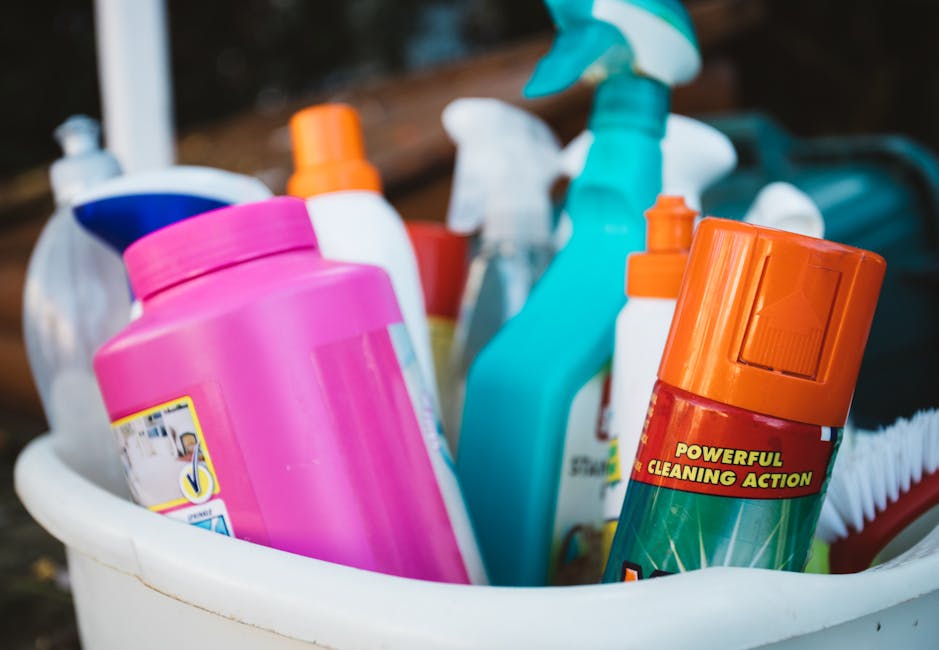
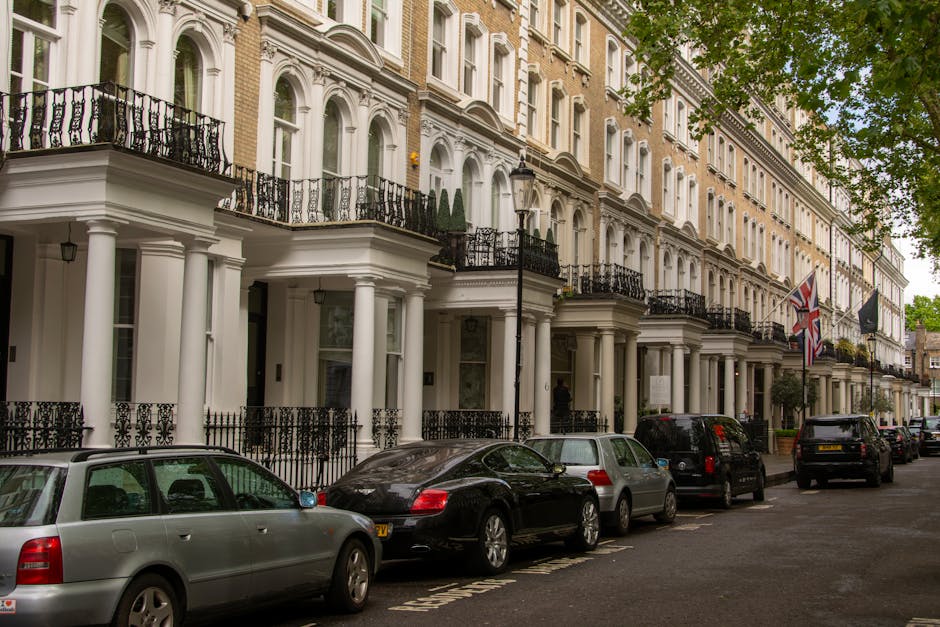
SW1V Deep Clean Checklist for Pimlico Homes
If you live in SW1V, you already know that Pimlico homes have their own rhythm: elegant period details, compact layouts, high-traffic hallways, and the kind of surfaces that show dust a little faster than you'd like. A proper deep clean is not the same as a quick tidy. It is the reset that gets into skirting boards, behind appliances, around taps, inside cupboards, and into the places that quietly build up grime over time.
This guide gives you a practical SW1V deep clean checklist for Pimlico homes that works for busy households, landlords, tenants, and owners preparing for guests, sales, or a tenancy handover. You'll find a room-by-room approach, a realistic step-by-step process, common mistakes to avoid, and simple decisions that make the work far more manageable. If you want a broader look at service options, the services overview is a useful place to compare what a professional clean can cover.
Quick takeaway: deep cleaning is most effective when you work from top to bottom, dry to wet, and least dirty to most dirty. That sounds obvious, but it saves time and stops you undoing your own work.
Table of Contents
- Why SW1V Deep Clean Checklist for Pimlico Homes Matters
- How SW1V Deep Clean Checklist for Pimlico Homes Works
- Key Benefits and Practical Advantages
- Who This Is For and When It Makes Sense
- Step-by-Step Guidance
- Expert Tips for Better Results
- Common Mistakes to Avoid
- Tools, Resources and Recommendations
- Law, Compliance, Standards, or Best Practice
- Options, Methods, or Comparison Table
- Case Study or Real-World Example
- Practical Checklist
- Conclusion
- Frequently Asked Questions
Why SW1V Deep Clean Checklist for Pimlico Homes Matters
Pimlico homes in SW1V often combine older architectural character with modern daily use. That mix creates a few cleaning realities you do not always see in newer builds. Decorative mouldings collect dust. Window ledges trap debris. Bathrooms need extra attention because ventilation can be limited in compact flats. Kitchens gather grease faster than people expect, especially around extractor fans and cabinet handles.
A structured deep clean matters because ordinary day-to-day cleaning misses these buildup points. Over time, those missed areas affect the look, hygiene, and comfort of the whole property. In a flat where space is at a premium, even a small amount of residue makes a room feel tired.
There is also a practical local factor. If you are moving in or out, inviting buyers, hosting guests, or preparing for a new tenancy, presentation matters. A thorough deep clean helps a property feel cared for rather than simply lived in. For owners thinking about the wider condition of their property, the background reading in understanding the Pimlico property market can help put cleaning work into context.
And let's face it: once the dust is under control, everything else in the home suddenly feels easier.
How SW1V Deep Clean Checklist for Pimlico Homes Works
A good deep clean follows a sequence. It is not random scrubbing. The logic is simple: remove clutter, dust from high to low, clean dry surfaces first, then move to damp and greasy areas, and finish with floors and soft furnishings. This prevents dust from settling onto freshly cleaned spaces.
For Pimlico homes, that process usually works best room by room. Start with the most neglected or labour-intensive spaces first, such as the kitchen and bathroom, then move through bedrooms, living rooms, hallways, and final touches like windows, switches, and edges. If carpets or upholstery are part of the job, they are often best done after the main dusting and surface work so that fibres do not trap fresh debris.
If you want to understand where specialist help fits in, the pages for carpet cleaning in Pimlico and upholstery cleaning in Pimlico show how soft furnishings can be included as part of a deeper reset. That is especially useful in homes with pets, allergies, or older carpets that have lost their freshness.
A realistic deep clean usually includes:
- decluttering and clearing accessible surfaces
- dusting ceiling points, light fittings, and high corners
- cleaning frames, sills, and vents
- degreasing kitchens and disinfecting touchpoints
- descaling bathrooms and polishing fixtures
- vacuuming thoroughly, including edges and under furniture
- spot cleaning marks on walls, doors, and switches
- finishing with floors, mirrors, and final checks
Key Benefits and Practical Advantages
The value of a deep clean is not just cosmetic. In a Pimlico home, it can improve how the space feels, how long surfaces last, and how confidently you can show the property to others. That matters whether you live in a compact apartment or a larger family house.
- Better presentation: clean edges, polished fixtures, and fresh floors make rooms feel brighter.
- More hygienic surfaces: deep cleaning removes the grime that ordinary cleaning routines leave behind.
- Less wear over time: regular removal of dust and residue helps protect finishes, fabrics, and flooring.
- Improved comfort: a well-cleaned home feels calmer, lighter, and more organised.
- Better move-in or move-out outcomes: a detailed clean supports tenancy handovers and inspection readiness.
There is also a mental benefit people often underestimate. You notice it when the work is done: cupboards open smoothly, taps gleam, the air feels less stale, and the whole property seems to breathe again. Small thing, big effect.
For landlords, tenants, and agents, a professional standard can also reduce disputes around condition. If you are considering end-of-tenancy support, the dedicated end of tenancy cleaning in Pimlico page is worth reviewing alongside this checklist.
Who This Is For and When It Makes Sense
This checklist is useful for several very different situations, and that is part of its value. The details change a little, but the underlying process stays the same.
Homeowners
If you own a flat or house in SW1V, a deep clean makes sense before guests arrive, after renovation dust settles, seasonally, or whenever the property starts to feel dull despite regular cleaning.
Tenants
Moving out? A deep clean helps you leave the property in a condition that is easier to inspect and hand back. Moving in? It gives you a fresh baseline before your things go everywhere. If you want a local perspective on flat life and maintenance realities, Pimlico living and local recommendations offers a helpful read.
Landlords and letting agents
When a property needs to be turned around quickly between occupants, deep cleaning helps reset the space without guessing what the previous resident did or did not manage to clean. That can be particularly relevant for properties where demand is high and time is tight.
Busy professionals and families
If your calendar is packed, deep cleaning is the sort of task that gets postponed until it becomes a problem. A planned checklist turns it into a project you can actually finish.
After events, illness, or renovation work
These are the moments when hidden dust, sticky surfaces, and neglected corners become suddenly obvious. A full reset is often the quickest way to restore normality.
Step-by-Step Guidance
Below is a practical way to tackle a deep clean without making it harder than it needs to be. You do not need to do everything in one burst, but you do need a clear order.
1. Prepare the property
Open windows if the weather allows. Gather tools and cleaning products. Remove bins, loose items, laundry, dish clutter, and anything that blocks access to surfaces. A deep clean works much better when you are not cleaning around half the contents of the flat.
2. Dust from the top down
Start with ceiling corners, light fittings, picture rails, curtain poles, and high shelves. Then work down to shelves, skirting boards, and lower ledges. This keeps dust from falling onto areas you have already cleaned.
3. Deal with the kitchen first if grease is heavy
In many Pimlico homes, the kitchen is the most stubborn room. Clean extractor covers, splashbacks, cabinet fronts, handles, appliance exteriors, and the tops of cupboards. Check behind the kettle and toaster too; crumbs have a talent for building little communities there.
4. Tackle bathrooms carefully
Bathrooms need descaling, disinfection, and attention to detail. Focus on taps, shower screens, grout lines, toilets, sink pedestals, drains, and any mould-prone areas. Use products appropriate for the surface. Harsh treatments can damage delicate finishes or leave streaks that show in natural light.
5. Clean bedrooms and living areas
Dust furniture, wipe switches and door handles, vacuum under beds and sofas where accessible, and clean mirrors and frames. Soft furnishings often hold more dust than people realise, which is why upholstery and carpet care can make such a noticeable difference.
6. Finish with floors
Vacuum thoroughly along edges, under furniture, and around radiators. Mop hard floors with the right solution for the surface. If carpets need attention, do them at the end so the room stays clean once the fibres are treated.
7. Do a final detail pass
Walk through each room and look at it the way a guest, buyer, or inspector would. Check corners, marks near switches, finger-smudged glass, and any remaining dust lines on skirting or shelving. The final pass is where a good clean becomes a great one.
Expert Tips for Better Results
The difference between a decent deep clean and a genuinely polished result usually comes down to small decisions. Those are the details that save time and improve finish quality.
- Work in daylight where possible. Natural light reveals smudges, streaks, and dust far better than many indoor bulbs.
- Use two cloths where practical. One for dusting, one for damp wiping. It sounds simple, but it stops grime being spread around.
- Let products dwell. Grease, soap scum, and limescale usually need a short wait before wiping.
- Be realistic with old stains. Some marks need repeat treatment or specialist methods rather than brute force.
- Protect delicate materials. Painted woodwork, marble, brass, and certain fabrics need gentler handling.
- Keep one room as a staging zone. It helps if tools, spare cloths, and bins have a base rather than wandering around the flat.
If you are comparing broader home care support, the domestic cleaning service in Pimlico and house cleaning in Pimlico pages are useful for understanding how routine and deep cleaning can work together.
One small professional habit makes a big difference: always clean the highest-traffic touchpoints last. That includes handles, switches, and door plates. They are easy to miss, and everyone notices them when they are not right.
Common Mistakes to Avoid
Most deep-clean problems are not caused by lack of effort. They are caused by poor order, the wrong products, or trying to do too much at once.
- Skipping preparation: if surfaces are cluttered, the clean will be slower and less thorough.
- Cleaning floors too early: dust will just settle again while you work on the rest of the home.
- Using one product for everything: glass, stone, wood, fabric, and metal each respond differently.
- Ignoring hidden areas: behind bins, under appliances, and around radiators are easy places to overlook.
- Over-wetting soft surfaces: carpets and upholstery can hold moisture and develop odours if treated badly.
- Leaving the final inspection out: the last five minutes often catch the missed spots that matter most.
Another common mistake is aiming for perfection in every room before moving on. That can be exhausting. Better to complete each area to a solid standard, then return for targeted detail work. Progress beats obsession every time.
Tools, Resources and Recommendations
You do not need an enormous kit to deep clean properly, but you do need the right basics. A well-chosen set of tools is faster, safer, and less frustrating than buying random products midway through the job.
Useful tools
- microfibre cloths in different colours
- vacuum cleaner with edge and crevice attachments
- mop suited to your floor type
- soft brushes for grout, vents, and corners
- spray bottles for diluted solutions where appropriate
- non-scratch sponges
- bucket, gloves, and bin liners
Product categories to consider
- neutral floor cleaner for hard flooring
- glass cleaner for mirrors and glazed surfaces
- degreaser for kitchen residue
- bathroom descaler suitable for fixtures and tiles
- fabric-appropriate upholstery solution
- carpet treatment for stains and refreshment
For deeper fabric and floor care, it helps to understand the service choices available. The pages for Pimlico carpet cleaning and Pimlico upholstery cleaning explain where specialist equipment can add value beyond routine domestic cleaning.
If you are weighing up costs, the pricing and quotes page is the most sensible starting point for understanding how enquiries are typically handled. For trust and service detail, it is also worth reviewing the company's insurance and safety information and health and safety policy.
Law, Compliance, Standards, or Best Practice
Deep cleaning is not usually a heavily regulated activity in the way some technical trades are, but there are still important best practices to follow. If you use cleaning products, handle electrical appliances, or work in occupied homes, care and common sense matter.
In the UK, product instructions should always be followed, especially for diluted chemicals, bleach-based solutions, and descalers. Never mix products unless the label explicitly allows it. Ventilation is also important in enclosed bathrooms and kitchens. If a product advises gloves or eye protection, use them.
For rental properties, it is sensible to align the clean with the expectations set out in the tenancy agreement and the condition of the property at check-in or check-out. That does not mean every landlord expects perfection, but it does mean the final standard should be consistent and evidenced by a careful walkthrough.
Professional cleaners working in homes should also take reasonable care with surfaces, equipment, and personal safety. If you want to see the standards a provider says it follows, the about us page and related policy pages are worth checking before booking. For company policies and process transparency, the terms and conditions, privacy policy, and complaints procedure are also useful reference points.
Options, Methods, or Comparison Table
Not every property needs the same approach. The right method depends on time, condition, and whether you want ongoing maintenance or a one-off reset. Here is a simple comparison that helps frame the decision.
| Approach | Best for | Strengths | Limitations |
|---|---|---|---|
| Routine cleaning | Weekly or frequent upkeep | Keeps dust and dirt under control | Rarely reaches built-up grime in hidden areas |
| Focused room deep clean | Kitchens, bathrooms, or problem rooms | Targets the worst areas efficiently | Does not fully refresh the whole home |
| Full-property deep clean | Moves, seasonal resets, or pre-sale prep | Creates a consistent finish across the home | More time and planning required |
| Professional specialist clean | Carpets, upholstery, or challenging surfaces | Useful equipment and targeted treatment | May not include all general tasks unless booked |
If your home has a lot of fabric surfaces, choose the approach that protects them rather than simply making them look clean for a day. That is especially true for older sofas, fitted carpets, and stair runners in period properties. For residents in specific local blocks, the guide to carpet care around Churchill Gardens Estate is a handy example of how surface type affects the best method.
Case Study or Real-World Example
Consider a typical SW1V flat: compact hallway, one bathroom, a galley-style kitchen, and a living room that doubles as a dining area. The occupant has kept up with weekly cleaning, but over time the details have slipped a little. There is a light grease haze above the hob, limescale around the taps, dust on picture rails, and carpet edges that look darker than the centre of the room.
A sensible deep clean begins with decluttering counters and clearing the floor. The kitchen is treated first because grease travels, especially in small spaces. After that comes the bathroom, where taps, glass, grout, and drains need close attention. The living room is dusted top to bottom, including shelves and skirting. Carpets are vacuumed thoroughly along edges and under furniture. Finally, mirrors, handles, switches, and window ledges are checked in daylight.
The biggest change is not one dramatic before-and-after trick. It is the cumulative effect of all the small jobs being done properly. The room feels lighter, the kitchen smells fresher, and the flat looks cared for again. That is exactly what a good deep-clean checklist should achieve.
For readers interested in local life and property context, the blog archives at Pimlico Carpet Cleaners blog include wider area insights such as an overview of Pimlico as a London neighbourhood and practical reading on buying property in Pimlico. Those pieces can be useful if you are cleaning with a move, sale, or tenancy change in mind.
Practical Checklist
Use this checklist as a simple working guide. It is designed to help you move through the home in a steady, sensible order.
Before you start
- open windows if safe and practical
- collect cloths, sprays, gloves, vacuum attachments, and bin liners
- remove clutter from visible surfaces
- sort laundry, dishes, and loose items
- identify delicate materials that need gentler care
Kitchen
- clean cabinet fronts and handles
- degrease hob, splashback, and extractor area
- wipe appliance exteriors and seals
- clean sinks, taps, and draining boards
- empty and wipe bins
- clean under and behind movable appliances if accessible
Bathroom
- descale taps, shower heads, and screens
- scrub sink, toilet, bath, and tiles
- clean grout and sealant edges
- polish mirrors and chrome
- check vents, corners, and behind fixtures
Living room and bedrooms
- dust shelves, frames, skirting, and ledges
- clean switches, handles, and door edges
- vacuum under beds and sofas where possible
- refresh curtains or blinds as appropriate
- spot clean marks on walls or furniture
Floors and finishing touches
- vacuum edges, corners, and under furniture
- mop hard floors with suitable cleaner
- treat carpet stains or arrange specialist help
- clean mirrors, glass, and reflective surfaces
- do a final walk-through in daylight
If you need help with the heavy lifting, the office cleaning in Pimlico page and broader commercial-style service pages can also be helpful examples of structured, checklist-led cleaning. The method is very similar: clear process, clear priorities, no guesswork.
Conclusion
A thorough deep clean in SW1V is less about scrubbing harder and more about cleaning smarter. Pimlico homes benefit from a structured approach because their layouts, finishes, and everyday traffic patterns make detail work especially important. When you follow a proper checklist, the result is cleaner, brighter, and easier to maintain afterwards.
Whether you are preparing for a move, resetting after a busy season, or simply want your home to feel properly cared for again, the right sequence makes all the difference. Start with the high-impact rooms, move carefully through the details, and finish with a calm final check. That is how a home stops looking "clean enough" and starts feeling truly clean.
If you are comparing options or planning a professional visit, it helps to review service pages, policies, and quote information before you book. A little preparation upfront usually saves time later.
Get a free quote today and see how much you can save.
Frequently Asked Questions
What is included in a deep clean for a Pimlico home?
A deep clean usually includes detailed dusting, kitchen degreasing, bathroom descaling, skirting boards, switches, internal surfaces, floors, and often attention to carpets or upholstery if booked. The aim is to remove buildup that regular cleaning leaves behind.
How often should I deep clean a SW1V flat?
That depends on usage, lifestyle, and property type. Many people do a full deep clean seasonally or before a move, then maintain with regular weekly cleaning. High-traffic homes may need more frequent targeted work.
Is a deep clean different from an end of tenancy clean?
Yes. A deep clean improves the condition of the property, while an end of tenancy clean is usually more specific to handover expectations. It is often more detailed and more focused on returning the property in a suitable condition for inspection.
Do I need professional carpet cleaning as part of the checklist?
Not always, but it is often a good idea if carpets are visibly dull, stained, or holding odours. In many homes, carpet care makes the biggest visual difference after the kitchen and bathroom.
What should I clean first in a Pimlico home?
Start with decluttering, then dust from the top down. If grease is heavy, begin with the kitchen. Bathrooms are usually next because residue and limescale are easier to handle before you move on to softer, dustier rooms.
How long does a full deep clean usually take?
It depends on the size and condition of the property. A compact flat may take much less time than a larger house, but deep cleaning always takes longer than routine tidying because the work is more detailed.
Can I deep clean one room at a time?
Absolutely. In fact, that is often the most practical way to do it. Many people choose the kitchen and bathroom first because they are the most demanding, then move through the living areas and bedrooms.
What cleaning tasks are most often missed?
Commonly missed areas include skirting boards, behind appliances, switch plates, extractor fans, radiator edges, window tracks, and the tops of cupboards. These are small places, but they affect the overall finish more than people expect.
Are there safety issues I should think about?
Yes. Use products according to the label, ventilate rooms where needed, and be careful with slippery floors, electrical equipment, and strong chemicals. If you are not sure a product is suitable for a surface, test it discreetly first.
Can I combine deep cleaning with regular domestic cleaning?
Yes, and that is usually the smartest approach. A deep clean resets the property, while regular domestic cleaning keeps it manageable. Together, they are far more effective than either one alone.
How do I know if I should book a professional cleaner instead of doing it myself?
If you are short on time, dealing with heavy buildup, managing a move, or needing a consistent finish across the whole property, booking a professional is often the easier option. The decision usually comes down to time, energy, and the standard you need.
Where can I compare services and company information before booking?
Start with the provider's service pages, pricing details, and policy pages. For example, it helps to review services overview, pricing and quotes, and the relevant trust pages before making a decision.